
Ready for some Snorkeling and Diving Around Pensacola Beach?
Pensacola Beach sits above one of the most productive underwater playgrounds on the Gulf Coast. Escambia County has more than 530 public artificial reef sites in its surrounding waters — from shallow snorkel reefs you can reach by swimming from the beach to legendary deep wrecks like the USS Oriskany, an aircraft carrier resting in 212 feet of water offshore.
This guide covers all of it: the best snorkel reefs for families and beginners, the wreck dives worth building a trip around, what marine life to expect, when conditions are typically best, and a few local tips that don't always make it into the official guides. By the end you'll know exactly which site fits your skill level and what kind of trip you want.
Before we get you in the water a little hi from us
As Navarre locals, we're your go‑to Gulf Coast pros. If you're searching for the perfect Navarre Beach vacation home, we've got you covered, and that's just the beginning.
From pet-friendly activities to how to do Pensacola with a budget and great breakfast recommendations, to help you stress less and enjoy more. For more inspiration, tips, and tricks, check out our blog!
Why Pensacola Beach Is a Snorkel & Dive Hotspot
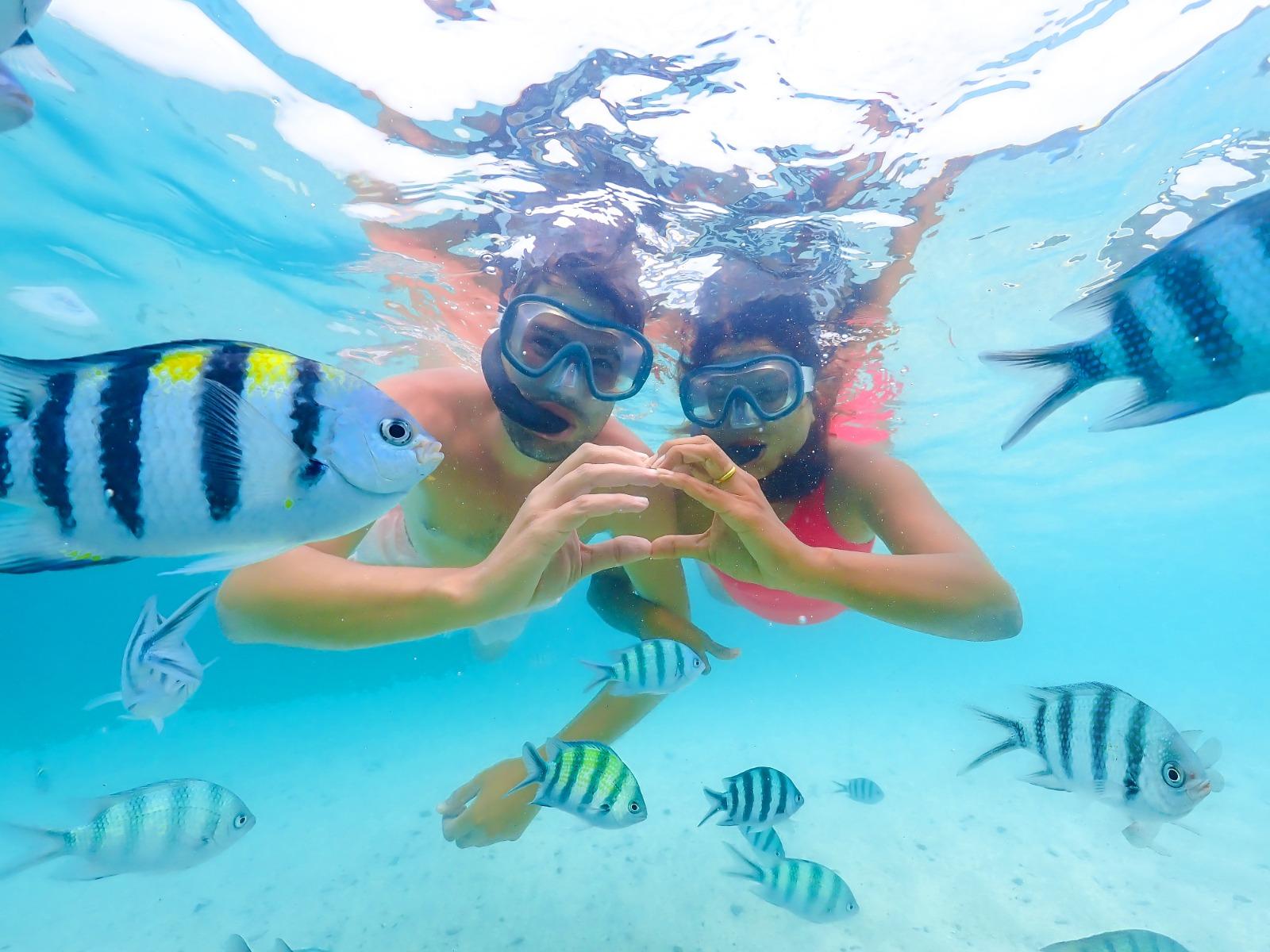
Pensacola's offshore waters are dotted with artificial reefs, shipwrecks, and natural hardbottom, which attract an impressive variety of marine life. Escambia County alone has more than 530 public artificial reef sites scattered throughout local Gulf waters, so you're never far from an interesting place to explore beneath the surface. Pensacola Beach itself features multiple designated snorkel reefs plus easy access to some of the most famous wreck dives in the United States.
What makes it special:
- A dedicated artificial reef program has created everything from near‑shore snorkel reefs to deep‑water wrecks.
- Depths range from about 7–10 feet on protected bayside reefs to more than 200 feet on offshore shipwrecks like the Oriskany.
- Visibility can be excellent when conditions line up, especially after a stretch of calm weather and low surf.
On calm summer mornings, I've seen the Gulf so clear off Pensacola Beach that you could easily spot schools of fish from the surface before you even put your mask on. Other days, especially after storms, the water can churn up and visibility drops, which is why I always tell guests to stay flexible and watch the forecast.
Overview of Reefs & Wrecks Around Pensacola Beach
Before we dig into individual sites, it helps to understand the main types of underwater experiences you'll find here. Think of Pensacola Beach's snorkeling and diving as three "tiers" based on depth and experience.
Tier 1: Shallow Snorkel Reefs (Shore Access)
These are near‑shore, marked snorkel reefs that you can reach by wading, swimming, or paddling out from the beach. Depths typically run from about 7 to 15 feet, which is shallow enough for confident swimmers but deep enough to hold interesting structure and marine life. They're ideal for families, new snorkelers, and anyone who wants a low‑key intro to the underwater world without committing to a full scuba trip.
Tier 2: Inshore Wrecks & Reefs (Boat or Long Swim)
These sites usually require a boat or a longer paddle and sit in moderate depths, think roughly 50 to 70 feet. They're well within reach for certified open‑water divers, and some can be enjoyed by advanced snorkelers from the surface when conditions are calm. The old tugboat "Massachusetts," for example, is a historic wreck that can be shallow enough at low tide for surface exploration.
Tier 3: Deep Offshore Wrecks (Advanced Diving)
Farther offshore, you'll find legendary dives like the USS Oriskany, an aircraft carrier sunk in about 212 feet of water to form what's often called the world's largest artificial reef of its kind. The upper structure rises to around 84 feet, making it accessible to properly trained and equipped advanced divers, while technical divers can explore the deeper sections. These trips are all‑day adventures that offer huge vertical relief, big‑animal encounters, and serious bragging rights.
Pensacola Beach's Main Snorkel Reefs
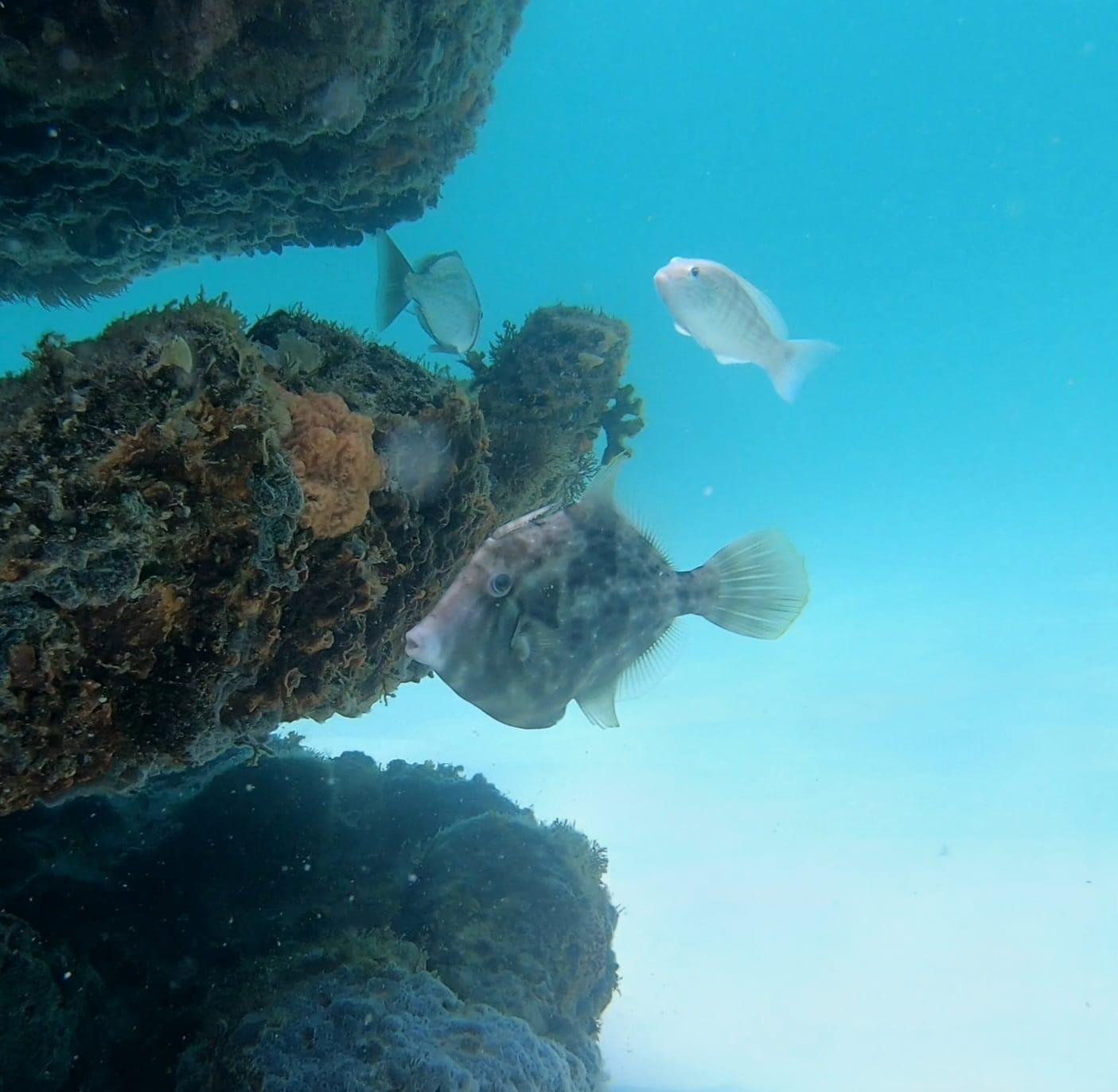
Pensacola Beach is home to three primary snorkel reef zones associated with the island: Park East, Casino Beach, and Park West/Pensacola Bay. Each has a slightly different feel, and as a local, I tend to recommend them based on your comfort level and the day's conditions.
Park East Snorkel Reef
The Park East Snorkel Reef sits on the Gulf side about 1.4 miles east of Portofino Island Resort and roughly 500 feet offshore. It's designed so you can reach it by swimming, kayaking, or paddleboarding from the beach, making it a great choice if you like to mix a little paddling with your snorkeling.
What to know:
- Location: About 1.4 miles east of Portofino, Gulf side, around 500 feet offshore.
- Access: Swim from shore, or paddle a kayak or SUP out for easier access.
- Depth: Generally in the same 10–15 foot range as other Gulf snorkel reefs.
On calm mornings, I've paddled out here with coffee in a thermos, clipped the board to a small anchor line, and slipped over the side for a quick snorkel session before the beach crowds arrive. The water tends to feel a little more "away from it all" than right in town, and you'll often see baitfish schools and the occasional curious ray gliding through.
Casino Beach Snorkel Reef
Casino Beach Snorkel Reef is one of the most convenient options, sitting just east of the Pensacola Beach Fishing Pier in about 15 feet of water. The reef is man‑made, approximately 150 feet long by 30 feet wide, and sits around 500 feet offshore, which keeps it far enough away from shore to feel like a real snorkel adventure without being too far to swim.
Key details:
- Location: East of the Pensacola Beach Fishing Pier, about 500 feet offshore.
- Size: Roughly 150 feet long by 30 feet wide.
- Depth: Around 15 feet, suitable for confident swimmers equipped with a snorkel and dive flag.
Because Casino Beach is right in the heart of the action, I usually recommend this reef for visitors who want to pair a quick snorkel session with easy parking, restaurants, and facilities nearby. You can spend an hour on the reef, rinse off, and then walk straight to a casual spot for fish tacos without ever moving your car.
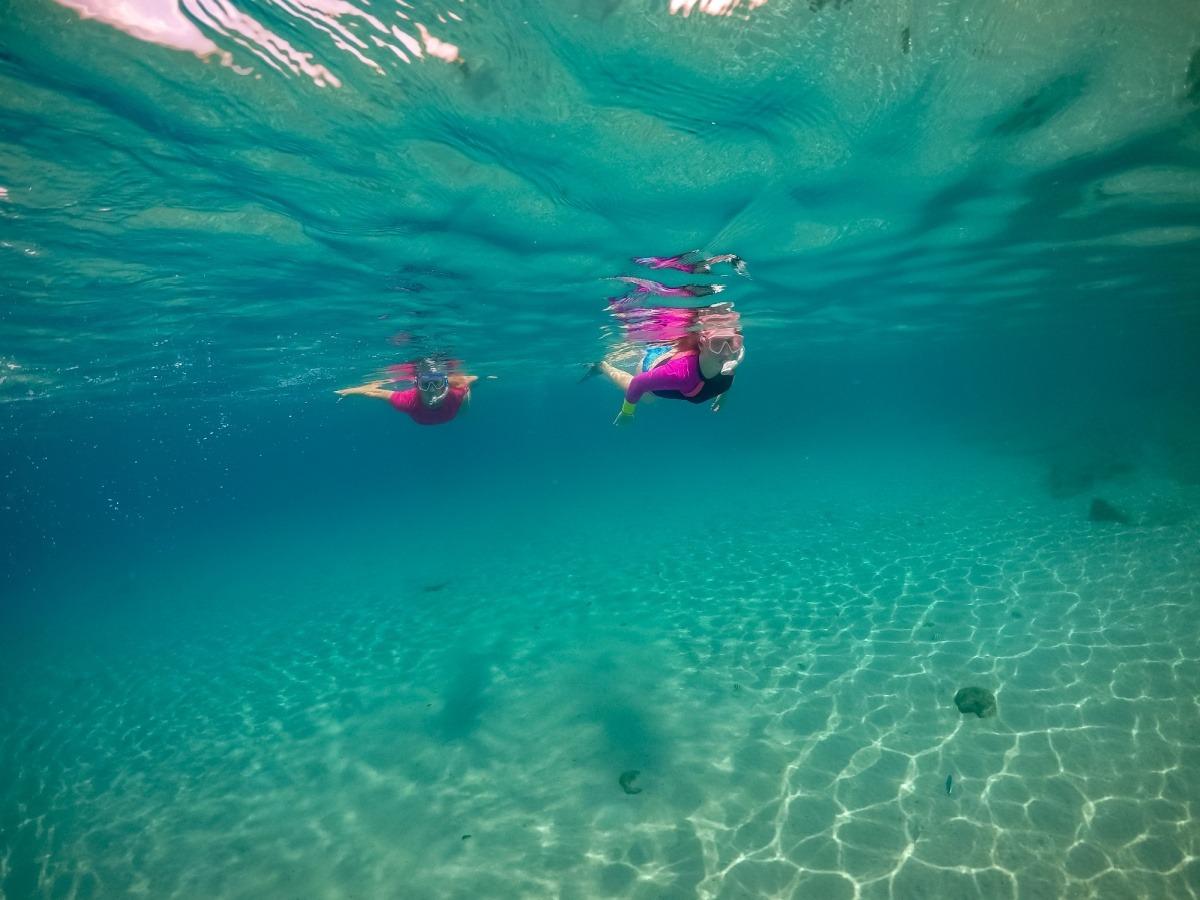
ensacola Bay (Park West) Snorkel Reef
The Pensacola Bay Snorkel Reef, often called the Park West Snorkel Reef, lies on the more protected bayside near the entrance to Fort Pickens. Water here typically runs in the 7‑ to 10‑foot range, which is very approachable for newer snorkelers and kids when conditions are calm.
Highlights:
- Location: Near the Fort Pickens gate in Pensacola Bay, often referred to as Park West Snorkel Reef.
- Depth: About 7–10 feet in more sheltered water than the Gulf side.
- Vibe: Great for those who want less surf and a gentler entry and exit.
On breezy days when the Gulf side kicks up with whitecaps, we've shifted plans and headed for Park West instead, and it's saved more than one family beach day. The kids still get their mask‑and‑snorkel time, you get calmer water, and nobody has to fight the shore break.
Iconic Wreck Dives: USS Oriskany & More
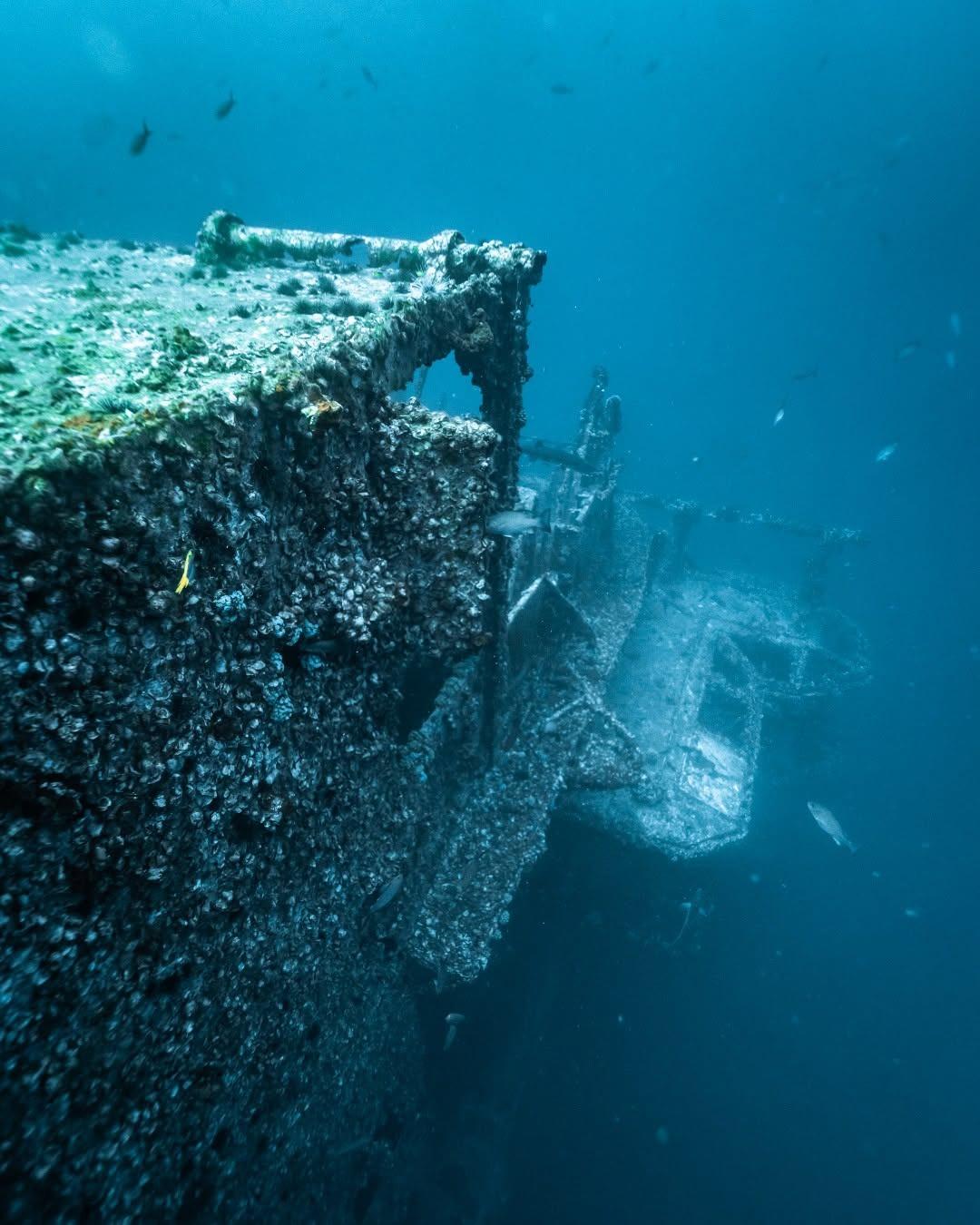
For divers, Pensacola's wrecks are the main event, and the USS Oriskany is the headliner. Add in several other shipwrecks in the 50‑ to 100‑plus‑foot range, and you've got a full week's worth of bucket‑list dives within reach of Pensacola Beach.
The USS Oriskany: "The Mighty O"
The USS Oriskany is an aircraft carrier intentionally sunk offshore from Pensacola as an artificial reef, and it's widely promoted as the largest intentionally created artificial reef in U.S. coastal waters. The ship now rests in about 212 feet of water, with the flight deck around 145–150 feet and the top of the superstructure (the "island") sitting roughly 84 feet below the surface.
Key facts:
- Depth: Seafloor around 212 feet, flight deck approx. 145–150 feet, upper structure around 84 feet.
- Skill level: Advanced or deep‑training divers only; some operators require specific certifications and recent deep‑dive experience.
- Status: A massive artificial reef encrusted with marine growth and home to abundant fish life.
Many local dive operators emphasize that Oriskany dives are not for beginners, and state agencies recommend against penetrating the interior because of structural changes over time. You'll often see big schools of fish circling the structure, with everything from amberjack to barracuda and, on the right day, bigger pelagics cruising by.
As a local, I think of the Oriskany as the "Everest" of Pensacola diving, something to work up to after you've logged plenty of bottom time on shallower wrecks. If you're not quite there yet, don't worry; there are plenty of other sites to keep you busy while you build experience.
Other Pensacola Wreck Sites
Beyond the Oriskany, Pensacola's offshore waters include at least five major shipwrecks that vary in depth and intensity, giving certified divers a solid mix of options. Many of these wrecks lie in the roughly 50‑ to 100‑foot depth range, which suits typical recreational dive limits for open‑water and advanced divers.
Examples include:
- Historic wrecks in approximately 50–70 feet of water that are reachable via local charters and offer easier profiles than the Oriskany.
- "Live bottom" areas that combine scattered structure, reef growth, and sand patches, often visited on multi‑site trips.
One popular shallow wreck near Pensacola, the "Massachusetts," sits in relatively shallow water and can at times be snorkeled when tides and conditions cooperate, since parts of its structure can reach near the surface around low tide. I've talked to divers who love using sites like this as a warm‑up before tackling deeper wrecks later in their trip.
Marine Life: What You're Likely to See
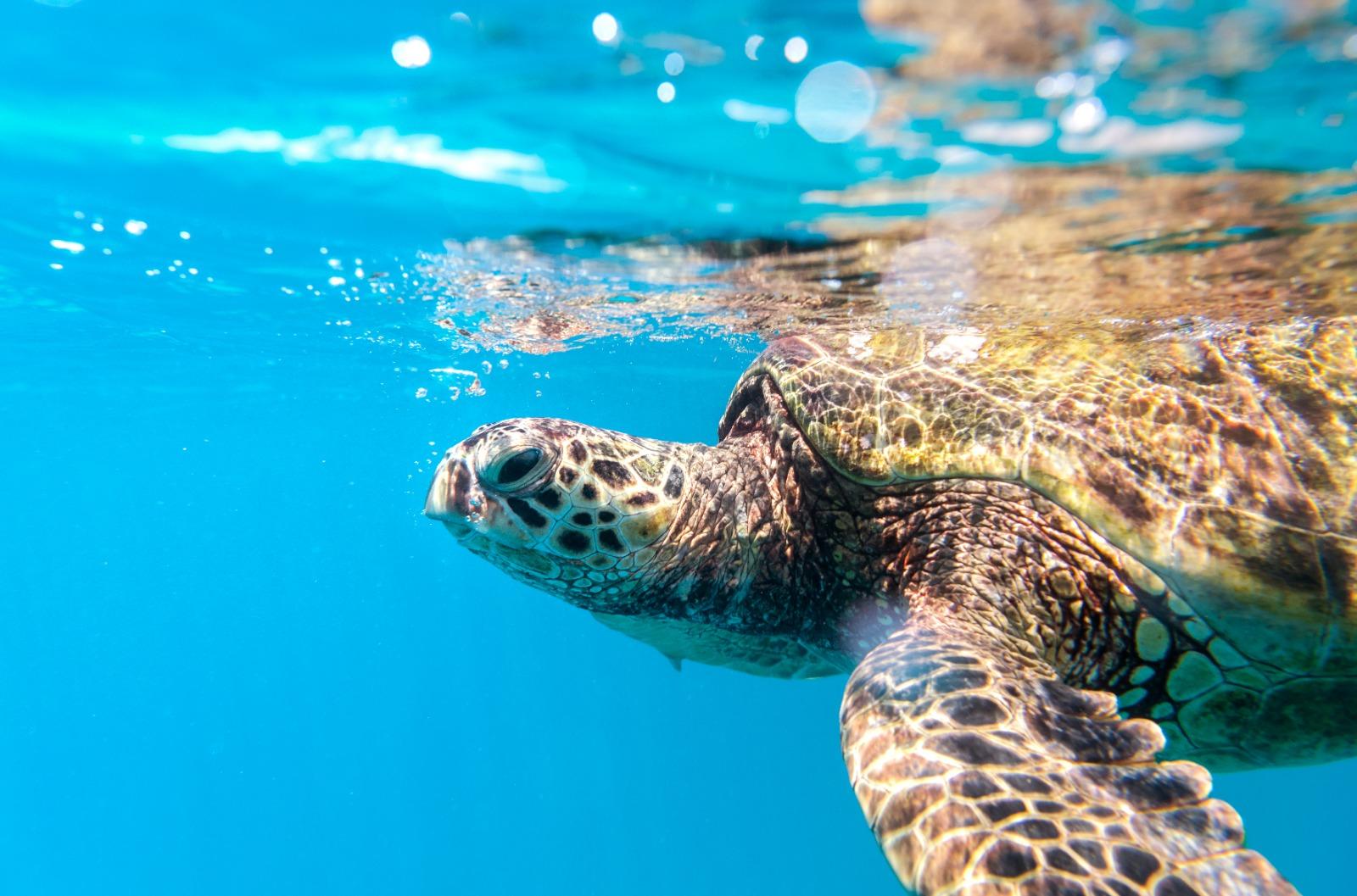
Part of the fun of snorkeling and diving around Pensacola Beach is never quite knowing what will cruise by on a given day. The artificial reefs and wrecks create structure that draws in both resident reef fish and seasonal visitors.
Common sightings include:
- Schools of baitfish and small reef fish around the snorkel reefs and shallow wrecks.
- Sheepshead, spadefish, snapper species, and other Gulf residents sheltering around structure.
- Rays gliding along the sand, and occasionally sea turtles around deeper sites or offshore wrecks.
On one calm summer day at Casino Beach Reef, I watched a ray lazily circle the structure for several minutes while a cloud of tiny fish shimmered around it, and it was the highlight of that entire week for the family visiting with us. For many first‑time snorkelers, just floating over a reef and seeing fish in clear water is enough to spark a lifelong love for the ocean.
Best Time of Year & Typical Conditions
Water and weather patterns have a big impact on your snorkel or dive experience, so timing matters. In general, late spring through early fall offers the warmest water and most predictable opportunities for snorkeling and diving around Pensacola Beach.
Seasonal notes:
- Late spring to early fall: Warmest water, often the most comfortable for long snorkel sessions and multiple dive days.
- Winter and early spring: Cooler water, fewer swimmers, but still diveable with proper exposure protection and on calm days.
- After storms or heavy rain: Visibility can drop significantly and surf may increase, so it's wise to build flexibility into your plans.
As a rule of thumb, I tell guests to aim for calm morning sessions when possible, especially for snorkeling. Early in the day, winds are often lighter and the Gulf can be glassy, which makes swimming to the snorkel reefs easier and more enjoyable. When in doubt, chat with a local dive shop or tour operator about current conditions before committing to a full day offshore.
Insider Tips From a Local Perspective
Living near the Gulf has taught me a few small habits that make a big difference in how enjoyable days on the water are.
A few of my go‑to tips:
- Aim for weekday mornings when possible; popular reef access points are usually less crowded than on weekends.
- Pack a simple "reef kit" in your car: masks, snorkels, defogger, reef‑safe sunscreen, dive flag, and a lightweight float or boogie board for kids.
- Keep a backup plan like a bayside reef, pool day, or local attraction in your pocket in case surf gets too high.
I also recommend keeping your expectations flexible: not every day will be a postcard‑perfect visibility day, but even on slightly murkish days, just being in the water and spotting fish and rays in their natural environment is worth it. Some of my favorite memories aren't from "perfect" conditions but from laughing with friends as we paddled around in warm water, watching storms build way off on the horizon.
Photography & Capturing Your Underwater Memories
If you love photography, Pensacola Beach's reefs and wrecks offer plenty of opportunities even if you're just snorkeling with a basic waterproof camera or phone case.
Tips for better shots:
- Shoot on calm, sunny days when light penetrates the water and colors pop more.
- Stay patient and let fish come to you instead of chasing them; you'll get cleaner, more natural shots.
- Take wide‑angle photos of the structure itself, reef shapes, and the silhouette of wrecks, making striking images even if fish dart away.
Many guests tell me that their favorite vacation photos aren't the posed shots but the candid moments: kids in masks laughing in the shallows, friends gearing up on the boat, or a blurry but magical first sea‑turtle sighting. Don't stress about perfection, just focus on capturing the joy of the experience.
Bringing It All Together: Reefs, Wrecks & What to Expect
-E576A6A1-3E34-45B3-AC0B8F20D5E79207.jpg)
Pensacola Beach rewards the underwater curious at every level. A first-time snorkeler floating over Casino Beach Reef on a calm morning, a certified diver working their way up to the Oriskany, a family discovering their first ray in the shallows of Park West — the Gulf delivers something memorable to all of them.
When you're ready to plan your trip, Pensacola Beach Properties offers vacation rentals right on the island. Browse our properties, and we'll be happy to point you toward current local resources, trusted dive operators, and our favorite spots for a post-dive meal on the water.