
Master Pensacola Beach like a local with practical tips on beach flags, calm-water swimming spots, parking, shelling, snorkeling, and rough-surf alternatives.
Pensacola Beach's waters are truly irresistible. In fact, the beach is probably the main reason most visitors come here. What many people overlook, however, is that this is still the Gulf, and conditions can change quickly.
So, if you're planning a Pensacola Beach vacation, it's worth keeping that reality in mind.
The good news? Locals have been reading these waters for generations, and in this guide, I'm sharing some of their hard-earned wisdom with you. Once you understand a few basics, you'll know exactly where to swim, where to take the kids, what to do when conditions turn rough, and how to make the most of every beach day.
A Little About Us Before We Jump Into Our Beach Survival Guide:
At Pensacola Beach Properties, we don't just offer a great selection of Pensacola Beach rentals; we've also got the kind of local tips that can seriously level up your trip.
As local experts, we're here to show you the best of what Pensacola Beach has to offer. For more insider ideas, check out our destination blog. We cover everything from top pet-friendly spots to the best places to eat, drink, and enjoy the local nightlife.
The Flags Know More Than You Do
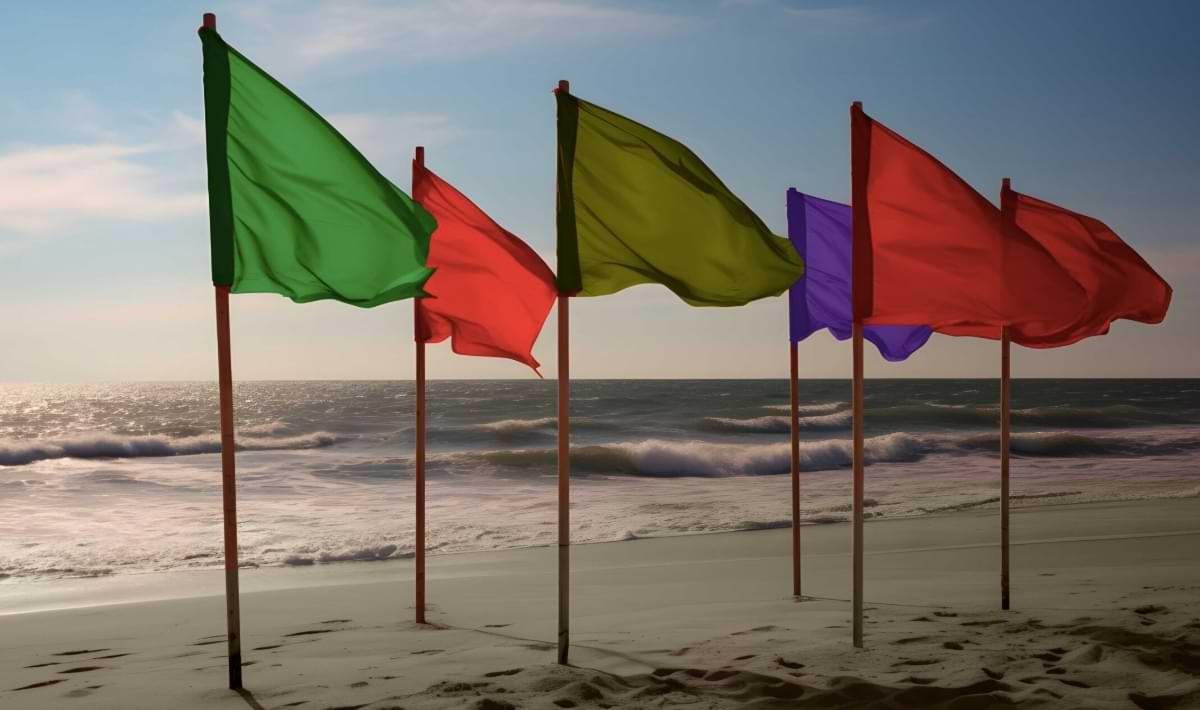
It's extremely important to check the flags before you hit the water, but many visitors simply assume that a red flag means swimming is a no-go and don't know what the other colors mean. So, what do those colorful flags actually mean?
Green Flag - Low Hazard
This is about as good as it gets. Expect calmer surf and weaker currents. You should still use common sense, but conditions are generally favorable for swimming.
Yellow Flag - Medium Hazard
The Gulf is starting to kick up a bit. You may encounter stronger waves, increased wind, or moderate currents. Strong swimmers usually have no problem, but extra caution is recommended.
Red Flag - High Hazard
Strong currents or rough surf are present. Lifeguards may discourage swimming, and inexperienced swimmers should stay out of the water.
Double Red Flag - Water Closed
This is the flag visitors should never ignore. When double red flags are flying, swimming and wading in the Gulf are prohibited. Not discouraged. Not "swim at your own risk." Prohibited.
The beach itself remains open, and you can still sunbathe, stroll along the shoreline, build sandcastles, and enjoy the scenery. Just stay out of the Gulf.
Purple Flag - Marine Pests
When a purple flag is flying, it usually means jellyfish, Portuguese man-o-war, or other stinging marine life have been spotted in the area.
Understanding Rip Currents
Big waves may look intimidating, but rip currents are often what lifeguards worry about most, and they should be on every visitor's radar too.
A rip current is a narrow channel of fast-moving water that flows away from shore. It can pull swimmers offshore quickly, including strong swimmers. They frequently form in the calmer-looking gaps between breaking waves, which makes them easy to miss.
If you're ever caught in one, don't panic; don't try to swim directly back to shore, swim parallel to the beach until you're out of the current, then angle back toward shore.
Even better: avoid them entirely by paying attention to beach flags and swimming near lifeguards.
Gulf Side vs Sound Side: The Difference Visitors Need to Know
One of Pensacola Beach's biggest advantages is that you essentially get two completely different beach experiences on the same barrier island. Here's a quick breakdown of the Gulf side and Sound side of Pensacola Beach:
The Gulf Side
This is what most people picture when they think of Pensacola Beach. The Gulf side is the postcard-worthy scenery everyone comes for, featuring emerald water, rolling surf, endless white sand, boogie boarding, wave jumping, and more.
Yes, it's stunning and quintessentially Florida, but it's also where you'll encounter stronger waves, changing conditions, and rip currents.
The Sound Side
Many visitors don't even realize this option exists. Locals often call it the "quiet water." The Sound side faces Santa Rosa Sound rather than the open Gulf. Because the barrier island blocks incoming surf, the water here is shallow, calm, and almost wave-free. It's much more lake-like than ocean-like.
The Sound side is perfect for toddlers and young children, as well as activities like paddleboarding, kayaking, floating, and swimming.
When the Gulf is off-limits due to rough conditions, the Sound side is also the go-to alternative for anyone who still wants to spend time in the water.
The Best Calm-Water Beaches for Kids
Traveling with little ones? On rough days, skip the Gulf and head straight to these local favorites:
Quietwater Beach
Located behind the Pensacola Beach Boardwalk, Quietwater Beach is one of the best family-friendly options on the island. The water here is shallow, protected, and extremely calm. You'll also have restaurants, bathrooms, and shops nearby for extra convenience.
Baby Beach
The name tells you exactly who this beach is for, and over the years it has earned a near-legendary reputation among local families.
Located near Avenida 18 on the sound side, Baby Beach features calm, shallow water that extends a long way from shore, making it ideal for toddlers learning to splash around. The only catch is that parking is limited, so it's best to arrive early.
Fort Pickens Sound Side
The protected waters near Fort Pickens are often calm even when the Gulf side is rough. Another advantage is that there are fewer crowds here if you're looking for a more peaceful beach experience with your vacation squad.
What To Do During Double Red Flag Days
A double red flag day might sound like bad news for your beach vacation, but there's no need to stress because it's hardly a trip-ruiner. When the Gulf is closed due to dangerous conditions, there are plenty of good Plan Bs to keep the fun rolling. Here are a few ideas for when the Gulf waters are off-limits:
Move to the Sound Side
As I mentioned earlier, this is the obvious choice when the Gulf waters are off-limits. The Sound side is often calm and swimmable even when conditions in the Gulf force beach closures. Many locals simply move their beach setup here and continue enjoying a day by the water.
Visit Fort Pickens
Spend the day exploring one of the Gulf Coast's most impressive historic forts. Even kids tend to love it because wandering through the massive brick corridors and old fortifications feels like a real-life adventure. You'll also find hiking trails, wildlife viewing opportunities, and quieter stretches of shoreline nearby.
Explore the Naval Aviation Museum
One of the most visited attractions in the region, this massive, air-conditioned museum impresses visitors with its fascinating aircraft and exhibits.
Head Inland
Many locals escape to places like Blackwater River State Park, Vortex Spring, Morrison Springs, and Perdido River. These freshwater spots offer swimming, tubing, kayaking, and snorkeling when Gulf conditions aren't cooperating.
How Locals Read Gulf Conditions
Long before checking a weather app, many locals look at the wind. A common rule of thumb is simple: If strong east or west winds are blowing along the shoreline, rougher conditions and red flag days are more likely.
Many residents also check beach webcams before leaving home; watch surf reports; follow lifeguard updates or sign up for daily flag alerts by texting PBFLAGS to 888777.
Another local habit? Arriving early. Conditions are often calmer in the morning, particularly during summer.
Beginner-Friendly Snorkeling Spots
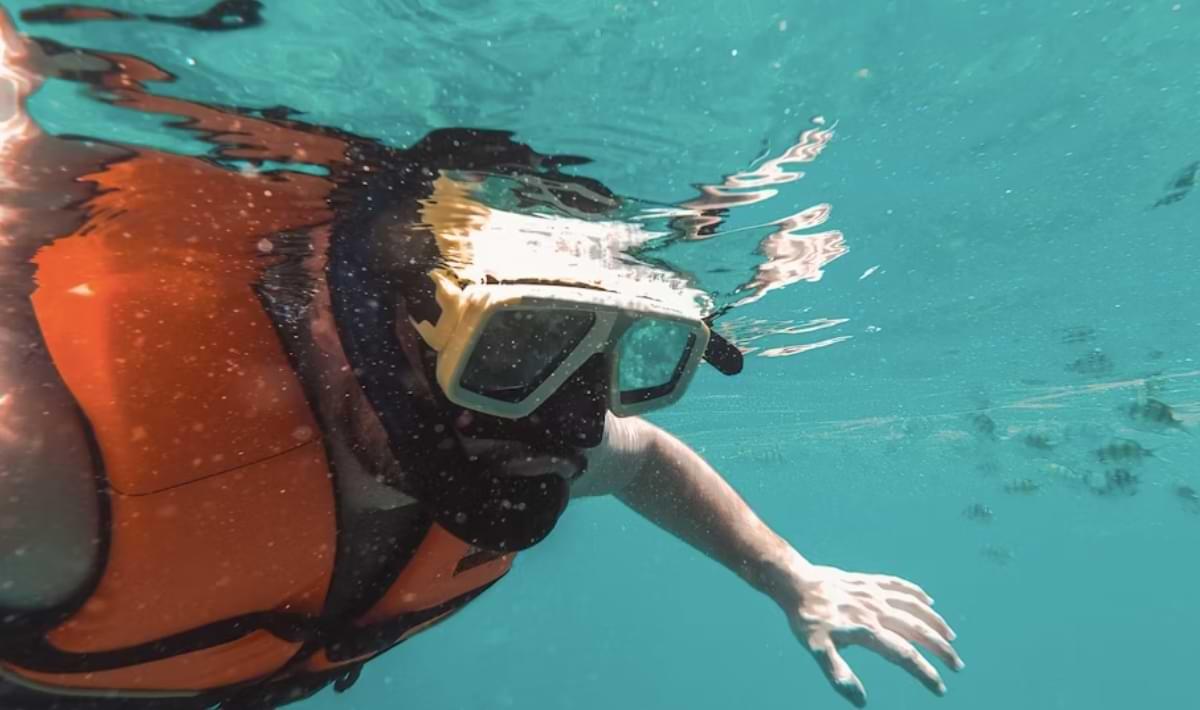
Pensacola Beach isn't known only for swimming. It also offers several accessible snorkelling spots where beginners can explore calm, clear waters. Below are some good options:
Fort Pickens Sound Side Reef: A shallow reef sitting a short distance offshore, ideal for first-time snorkelers and kids.
Casino Beach Reefs: Artificial reefs sit offshore near the beach and attract fish, crabs, and other marine life. Visibility is usually best on calm days.
Park East: Located near Portofino, Park East features additional artificial reef structures and often sees good marine activity.
Shelling After Storms and Beach Restoration
Here's another local secret many visitors miss: storms and dredging projects can actually create excellent shelling conditions.
Recent beach restoration efforts have pumped enormous amounts of sand from offshore onto local beaches. Along with that sand come shells, sand dollars, and other treasures from the Gulf floor.
Looking for the best shelling spots? Here are a few favourites:
1. Opal Beach.
2. Fort Pickens Road.
3. Areas near active dredging operations.
A useful trick is digging a few inches below the surface rather than only scanning the top layer. Many shells are partially buried after restoration work.
Just remember: ff something is still alive inside the shell, put it back.
-75ABEB6F-D51E-480A-80DEB402816BA0CE.png)
Enjoy Pensacola Beach Like Never Before!
Stay like a local in one of Pensacola Beach's many stellar vacation rentals.
At Pensacola Beach Properties, we offer a wide selection of the best short-term rentals, including beachfront houses and condo options on Pensacola Beach. Staying with us, all you have to do is kick back, relax, and soak in the Gulf Coast vibes to the fullest.